

Managing waste efficiently is a critical part of any commercial project. Whether you’re overseeing a construction site, renovation, demolition project, or large-scale property cleanout, the location of your dumpster can significantly impact productivity, safety, and overall project costs. A poorly placed dumpster can create access issues, increase labor time, and even result in violations of local regulations.
A well-planned dumpster placement strategy ensures materials can be disposed of quickly while minimizing disruptions to daily operations. This roll-off dumpster placement guide for commercial sites outlines the key considerations businesses and contractors should keep in mind before a dumpster arrives on-site.
Understanding Site Requirements Before Delivery
Before scheduling a dumpster delivery, it is important to evaluate the layout of the commercial property. Every site presents unique challenges, including limited space, vehicle traffic patterns, pedestrian access, and ongoing operations that must remain uninterrupted.
Start by identifying where waste will be generated most frequently. Positioning the dumpster close to the primary work area reduces travel time for crews and increases overall efficiency. However, proximity alone should not determine placement. Access for delivery trucks and safe operation must also be considered.
Commercial properties often have loading zones, employee parking areas, and customer entrances that must remain accessible throughout the project. Selecting a location that balances convenience and operational needs helps avoid unnecessary complications later.
Ensuring Adequate Space for Delivery
Roll-off dumpsters require more space than many site managers initially expect. The delivery truck needs sufficient room not only to place the container but also to maneuver safely during drop-off and pickup.
A typical roll-off truck requires significant clearance both horizontally and vertically. Overhead obstacles such as power lines, utility poles, tree branches, awnings, and building overhangs can interfere with placement. Ground-level obstacles including parked vehicles, fencing, and stored materials can create similar challenges.
Before delivery day, conduct a thorough inspection of the intended placement area. Removing potential obstructions ahead of time helps prevent delays and allows the driver to position the dumpster exactly where it is needed.
Prioritizing Safety on the Job Site
Safety should be one of the primary considerations when determining dumpster placement. Commercial job sites often involve heavy equipment, frequent vehicle movement, and numerous workers operating simultaneously.
A dumpster should never obstruct emergency exits, fire lanes, walkways, or access routes used by employees and visitors. Placing the container in a high-traffic area increases the risk of accidents and can create unnecessary congestion.
Instead, choose a location that allows workers to dispose of waste efficiently without crossing active equipment paths whenever possible. Maintaining clear sightlines around the dumpster also helps operators and drivers navigate safely throughout the workday.
Proper placement contributes to a cleaner and more organized site, reducing trip hazards and helping teams maintain compliance with workplace safety standards.
Protecting Pavement and Property
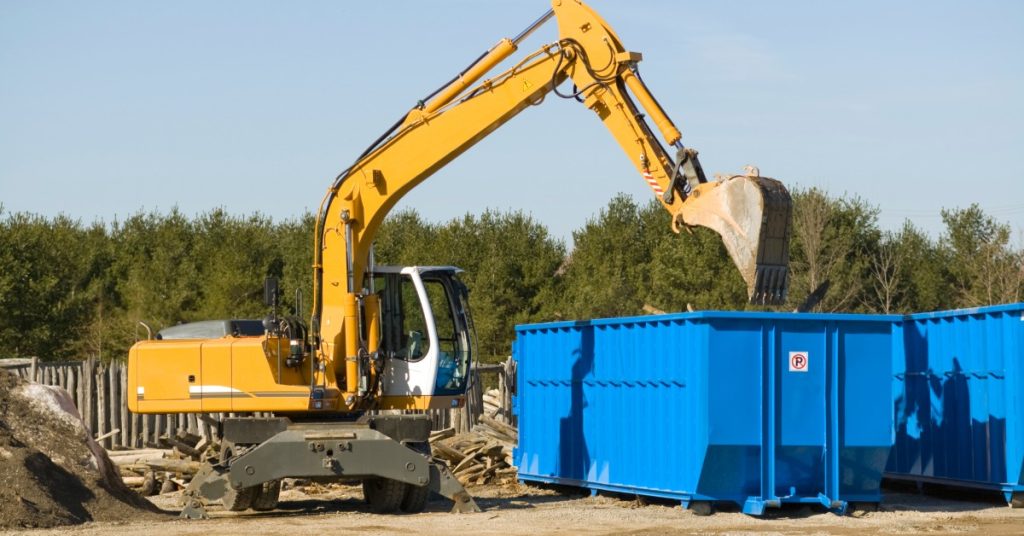
Commercial properties often feature paved surfaces designed for vehicle traffic rather than the concentrated weight of a fully loaded dumpster. Improper placement can lead to cracked asphalt, damaged concrete, and costly repairs.
Before positioning a dumpster, evaluate the condition and strength of the surface underneath. If necessary, protective boards or plywood sheets can be placed beneath the container to distribute weight more evenly and reduce pressure on the pavement.
Property managers should also consider nearby landscaping, irrigation systems, curbs, and decorative features that could be damaged during delivery or pickup. Taking preventive measures beforehand helps protect the site and avoids unexpected expenses after the project is completed.
Considering Accessibility Throughout the Project
Dumpster placement decisions should account for the entire duration of the project, not just the initial stages. Construction sites evolve as work progresses, and access routes may change over time.
A location that works well during the first week may become difficult to reach once materials are delivered or structures begin taking shape. Planning ahead helps prevent situations where the dumpster becomes blocked or inaccessible.
Regular site evaluations can identify potential access issues before they become serious problems. If project conditions change significantly, coordinating a dumpster relocation may be necessary to maintain efficiency.
This proactive approach ensures waste removal remains streamlined throughout every phase of the project.
Understanding Local Regulations and Permits
Many municipalities have regulations governing dumpster placement on commercial properties. Depending on the location, permits may be required if the dumpster occupies public streets, sidewalks, or other shared spaces.
Building managers and contractors should verify local requirements before delivery is scheduled. Failure to comply with municipal regulations can result in fines, project delays, or mandatory relocation of the container.
Working with an experienced waste management provider can simplify this process. Companies offering commercial roll-off dumpster rental services are often familiar with local requirements and can help customers understand applicable regulations before the project begins.
Planning for Efficient Waste Segregation
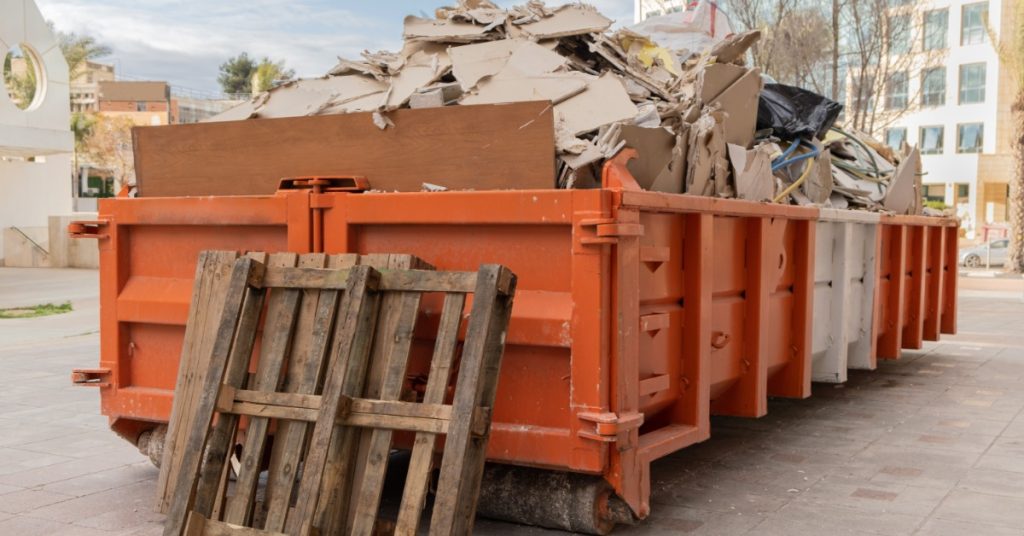
Large commercial projects frequently generate multiple waste streams, including construction debris, recyclable materials, packaging waste, and demolition materials. Strategic dumpster placement can support more efficient waste segregation efforts.
When multiple containers are required, positioning them in a logical layout allows workers to sort materials without disrupting workflow. Clearly designated disposal areas improve compliance with recycling programs and help organizations meet sustainability goals.
The easier it is for crews to separate materials correctly, the more likely waste management procedures will be followed consistently throughout the project.
Coordinating with Site Logistics
Successful dumpster placement should align with the broader logistics plan for the commercial site. Delivery schedules, equipment staging areas, material storage zones, and transportation routes all influence the best location for a container.
Project managers should communicate with subcontractors and site supervisors before finalizing placement decisions. Input from multiple stakeholders can identify potential conflicts that might otherwise go unnoticed.
For example, a dumpster positioned too close to a loading area may interfere with material deliveries. Likewise, placing it near future excavation work could require costly relocation later.
Integrating dumpster placement into the overall site logistics strategy helps maintain smooth operations and reduces the likelihood of disruptions.
Maximizing Efficiency Through Strategic Placement
The most effective waste management plans consider both current needs and future project demands. Strategic dumpster placement minimizes labor time, reduces unnecessary movement around the site, and supports safer working conditions.
When evaluating placement options, think beyond immediate convenience. Consider truck access, safety requirements, site traffic patterns, property protection, regulatory compliance, and long-term accessibility. These factors collectively determine whether the placement will support project success or create avoidable challenges.
By approaching waste management with a comprehensive strategy, commercial property owners and contractors can improve productivity while maintaining an organized and professional work environment.
Plan Thoroughly
A successful commercial project depends on more than just construction schedules and labor management. Proper waste handling plays an important role in maintaining efficiency, safety, and compliance throughout the job lifecycle. Following this guide to positioning roll-off dumpsters effectively at commercial properties helps project teams avoid common placement mistakes while supporting smoother day-to-day operations.
With thoughtful planning and attention to site logistics, dumpster placement becomes a valuable component of project success rather than an afterthought. The result is a cleaner, safer, and more productive commercial work environment from start to finish.