
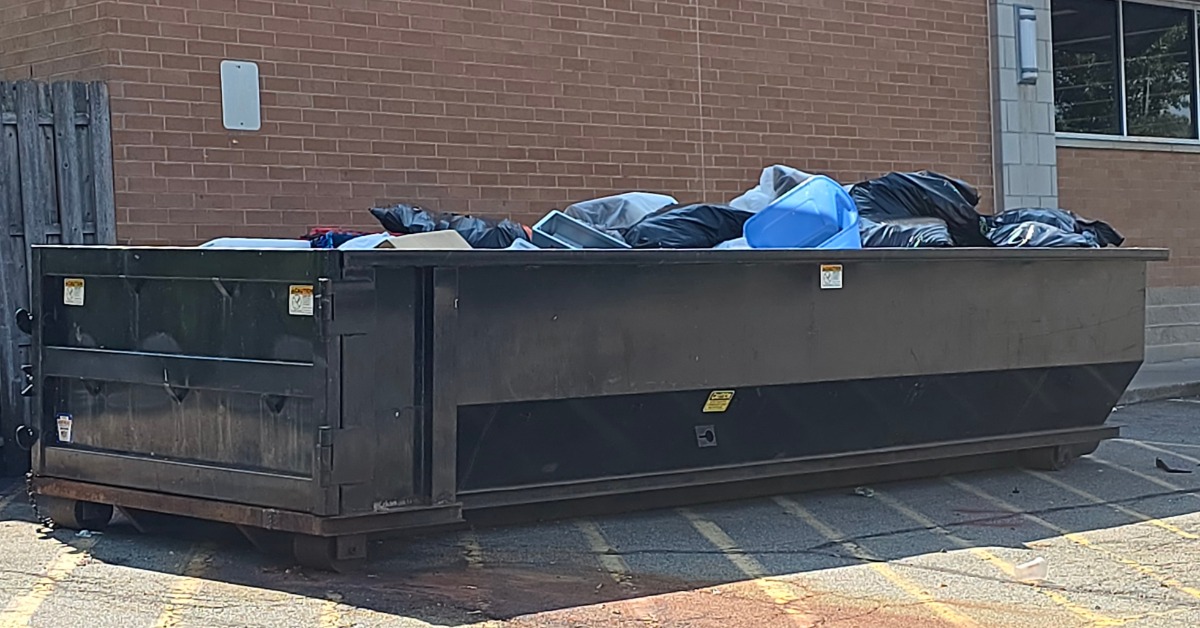
For contractors, dumpster space is more than a matter of convenience. Poor loading practices can mean additional hauls, higher disposal costs, wasted crew time, and interruptions that complicate an otherwise efficient jobsite. Whether a crew is handling a demolition, renovation, roofing project, or commercial buildout, getting more usable capacity from each container can help keep the project moving.
The key is to treat dumpster loading as part of jobsite logistics rather than an afterthought. 10 ways to maximize space in your dumpster starts with planning what goes into the container, when it goes in, and how materials are positioned. A few practical changes can significantly reduce wasted space without creating additional work for the crew.
1. Break Down Bulky Materials Before Loading
Large debris can consume an unreasonable amount of dumpster capacity when it is thrown away intact. Cabinets, shelving, framing assemblies, pallets, doors, and similar materials often create empty pockets that cannot easily be filled once other debris begins piling around them.
Whenever practical, break these materials into smaller pieces before loading them. Removing cabinet doors, separating framing members, flattening boxes, and dismantling manageable assemblies allows materials to settle more tightly together. Contractors should account for the extra labor required, but a few minutes spent breaking down particularly bulky items can prevent a large portion of the container from becoming unusable.
2. Start With Flat and Heavy Debris
The first materials placed in a dumpster establish the foundation for everything that follows. Starting with awkward, lightweight debris can create an uneven base filled with gaps, making efficient loading more difficult as the project continues.
Flat and relatively dense materials generally make a better starting layer. Depending on the project and disposal rules, this might include sections of drywall, lumber, flooring, or other materials that can lie reasonably flat. Creating a stable base makes it easier to arrange subsequent debris instead of allowing everything to collect in a loose pile near the center.
Contractors should also remain aware of container weight limits. Maximizing physical space does not mean exceeding the dumpster’s permitted weight.
3. Cut Long Materials Into Manageable Lengths
Long pieces of lumber, pipe, trim, siding, and other construction materials can quickly create loading problems. When these pieces are tossed into a dumpster diagonally, they often stretch across the container and leave large sections underneath them inaccessible.
Cutting long debris into manageable lengths allows it to lie along the floor or walls of the dumpster. Pieces can then be stacked more closely instead of forming bridges over other waste.
This is particularly useful during demolition work, where crews may generate long materials throughout the day. Establishing a consistent process for reducing oversized pieces before disposal can make the dumpster considerably easier to manage.
4. Keep Debris Organized During Demolition
Efficient dumpster loading often begins before debris reaches the container. When demolition materials are scattered around the jobsite and disposed of randomly, crews lose the opportunity to control how different shapes fit together.
Organizing debris into temporary groups can make loading more deliberate. Flat materials can be loaded together, smaller debris can be reserved for filling gaps, and bulky materials can be dismantled before they reach the container.
This does not require creating an elaborate sorting system. Even basic organization near the work area can prevent the dumpster from becoming a chaotic pile during the first few hours of demolition.
5. Use Smaller Debris to Fill Empty Spaces
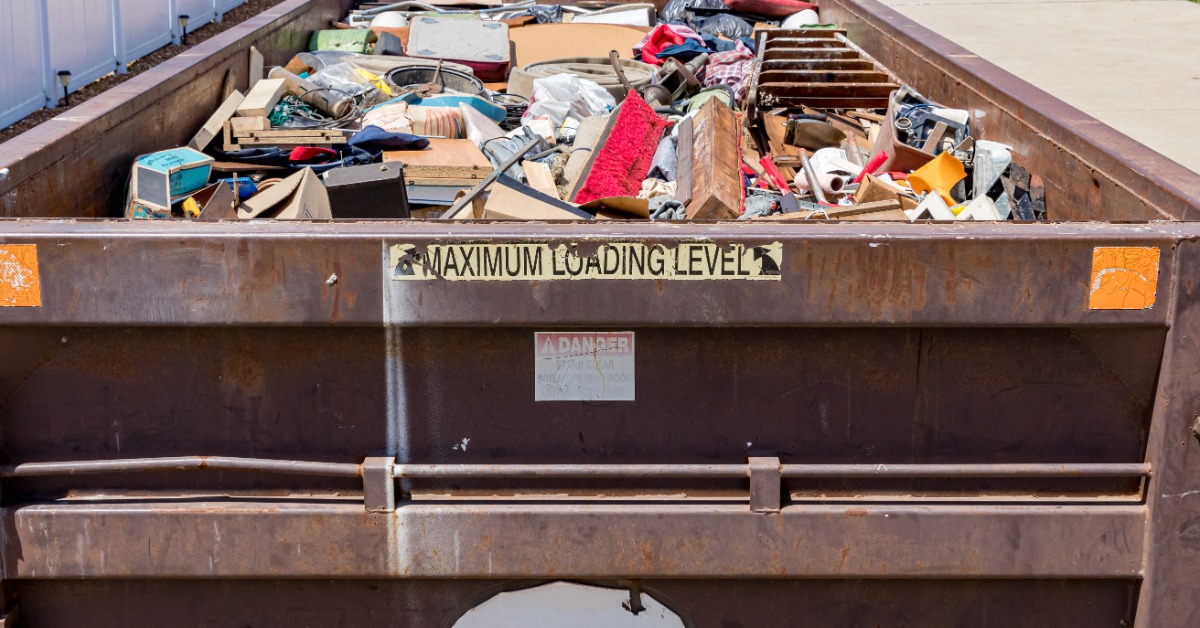
Construction debris rarely fits together perfectly. Even with careful loading, gaps will develop between larger pieces. Rather than ignoring those spaces, crews can use smaller debris to fill them.
Small pieces of drywall, broken lumber, packaging, and other permitted waste can often settle into openings that would otherwise remain empty. The process is similar to packing a truck: larger objects establish the structure while smaller objects occupy the leftover space.
Timing matters. If all small debris is dumped into the container early, it may not be available later when gaps become more obvious. Saving some manageable material for strategic placement can help crews make better use of the container’s volume.
6. Load From One End Instead of Creating a Center Pile
One of the easiest ways to waste dumpster space is to throw everything over the side into the middle. This creates a mound that grows upward while significant capacity remains unused around the perimeter.
When safe and permitted, contractors can take advantage of a roll-off dumpster’s door and load materials systematically from one end toward the other. This approach gives workers greater control over placement and makes it easier to stack or arrange larger pieces.
As the container fills, crews can continue working toward the open end rather than constantly throwing material onto the same central pile. The result is typically a more even load with fewer inaccessible pockets.
7. Flatten Packaging as the Project Progresses
Not every space problem comes from demolition debris. New construction and remodeling projects can generate substantial amounts of packaging from fixtures, appliances, flooring, cabinetry, equipment, and building materials.
Cardboard boxes are particularly inefficient when discarded intact because most of the space they occupy is simply air. Flattening boxes before disposal can dramatically reduce their volume. Similar attention should be given to other bulky packaging whenever it can be safely compressed or broken down.
Making this part of the crew’s routine prevents packaging from quietly consuming space that will be needed for heavier project debris later.
8. Plan Dumpster Loading Around the Project Schedule
The order in which waste is generated can affect how efficiently the dumpster gets used. Contractors who anticipate upcoming phases can avoid filling valuable space with material that could have been arranged more effectively.
For example, if a demolition phase will produce large quantities of flat material followed by smaller debris, the crew can plan the loading sequence accordingly. If bulky assemblies will be removed later, leaving room to position them properly may be more efficient than filling the dumpster completely with loose material first.
When arranging a roll off dumpster rental service, contractors can also consider the expected waste stream, container size, placement, and hauling schedule before work begins. Matching the container strategy to the project can reduce unnecessary interruptions once debris starts accumulating.
9. Avoid Tossing Debris Without Looking
Speed matters on a professional jobsite, but careless loading can create more work later. When workers continuously toss debris into the container without considering placement, materials can become tangled or stacked in ways that trap large pockets of unused space.
A small amount of attention during loading can prevent the problem. Crews do not need to arrange every scrap precisely, but larger pieces should be positioned intentionally whenever possible.
Assigning basic expectations at the beginning of the job can help. When everyone understands that the dumpster should be loaded evenly rather than treated as a target for random debris, efficient loading becomes part of the normal workflow.
10. Monitor the Load Throughout the Job
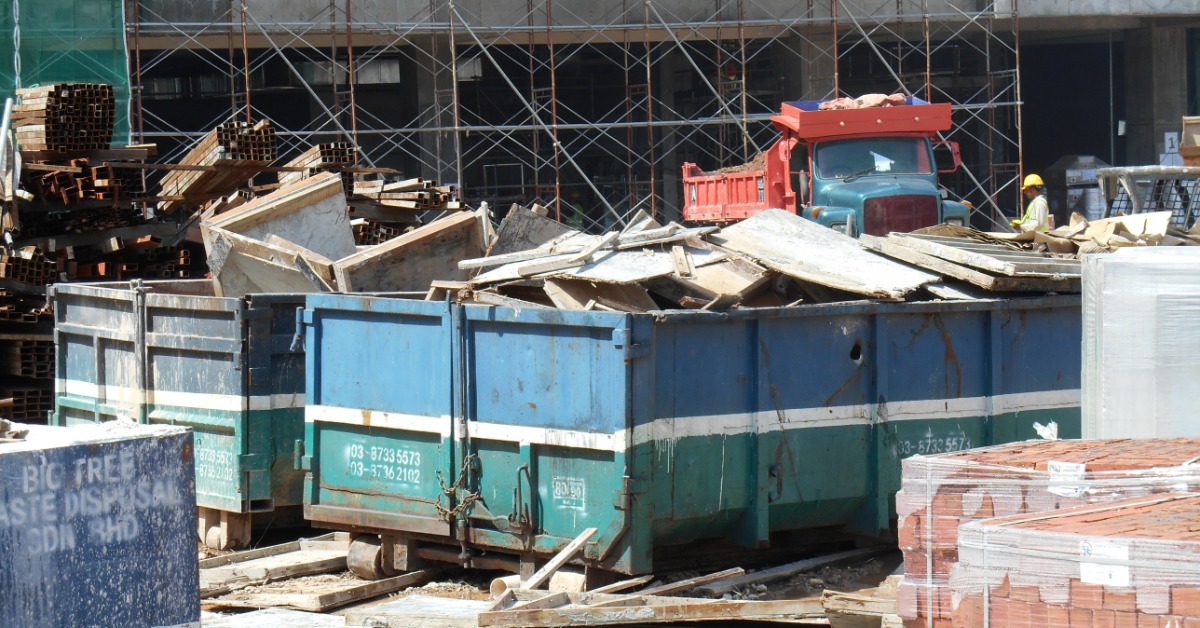
Waiting until a dumpster appears full to evaluate its contents is usually too late. By that point, poorly positioned materials may be buried beneath hundreds of pounds of debris.
Supervisors and crew leads can periodically check how the container is filling. If one area is rising faster than another, the crew can adjust where new debris is placed. If bulky objects are creating obvious voids, those problems can sometimes be addressed before additional material makes them inaccessible.
Monitoring also helps contractors identify when a container is approaching its allowable fill line or weight capacity. A dumpster should never be overloaded simply to avoid another haul. Efficient loading means using the available capacity effectively while remaining within rental requirements and applicable safety rules.
Make Dumpster Space Part of Jobsite Planning
For contractors managing labor, schedules, equipment, deliveries, and disposal, small inefficiencies can compound quickly. Dumpster loading may seem minor compared with the larger demands of a project, but wasted container capacity can translate directly into extra hauling costs and unnecessary downtime.
The most effective approach is to build efficient disposal into the crew’s workflow from the beginning. Breaking down oversized debris, controlling the loading sequence, filling gaps, and monitoring the container can help contractors use more of the capacity they are already paying for.
These practical ways to get more usable space from your dumpster are about maintaining control over jobsite waste. Contractors who approach debris handling with the same planning they apply to materials and equipment can keep disposal more predictable while reducing avoidable disruptions throughout the project.